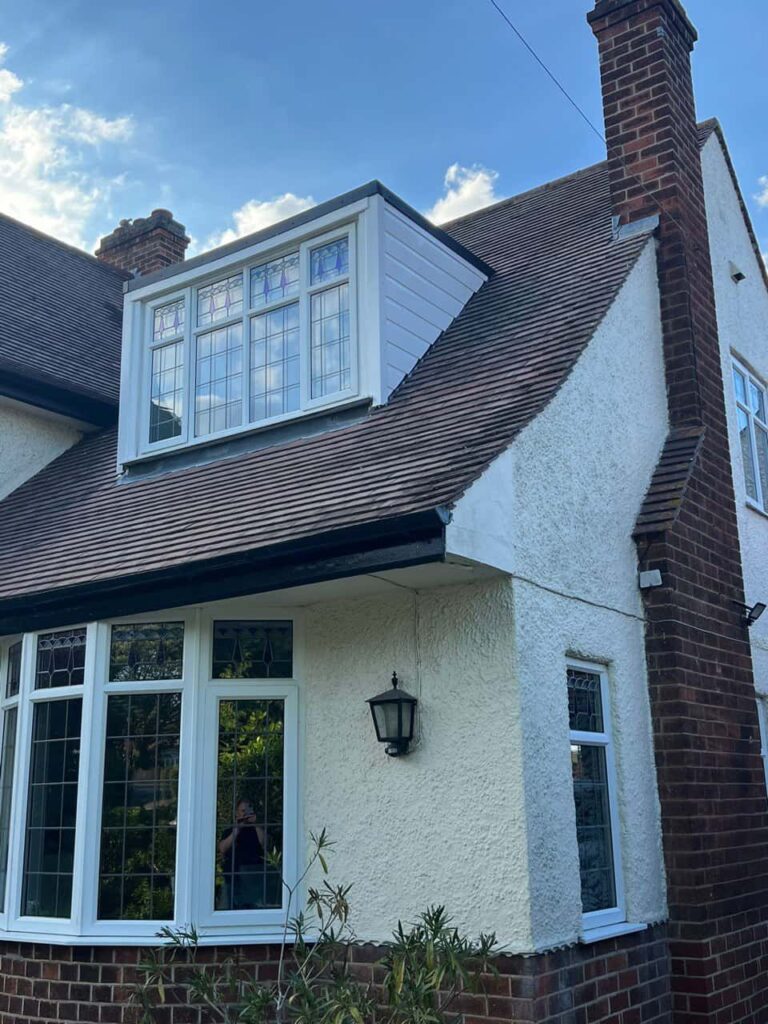
A chimney is one of the most exposed parts of a property. Its height and position leave it facing wind, rain and changing temperatures throughout the year. Even a relatively small defect can allow moisture to enter the stack or reach the roof beneath it.
Understanding the main areas of possible deterioration helps property owners recognise when professional chimney repairs may be necessary. Timely attention can prevent a localised fault from affecting nearby roof coverings, internal finishes and supporting materials.
Understanding the Main Areas of Chimney Damage
Damaged or Weathered Brickwork
Chimney bricks must withstand repeated exposure to moisture and temperature changes. Over time, their faces can crack, flake or break away. This deterioration is sometimes known as spalling.
Damaged bricks can absorb more water and may continue to weaken if the problem is left unresolved. Individual bricks can often be replaced when deterioration is localised, but the surrounding masonry should also be checked to establish whether moisture has affected a wider area.
Deteriorated Mortar Pointing
Pointing is the mortar visible between the bricks. It closes the joints, helps stabilise the masonry and limits water penetration.
Warning signs include:
- Crumbling or powdery mortar
- Open gaps between bricks
- Cracked or recessed joints
- Loose sections of masonry
- Mortar fragments appearing on the roof or ground
Repointing involves removing defective mortar to an appropriate depth and renewing the joints with a suitable material. Applying fresh mortar only over a loose surface is unlikely to provide a dependable repair.
Loose or Displaced Bricks
Movement within a chimney stack can leave bricks uneven, loose or out of alignment. This may result from deteriorated mortar, prolonged moisture exposure or movement in the surrounding structure.
A visibly leaning or unstable section should be inspected promptly. Replacing one loose brick may not address the complete problem if several courses have lost their stability.
Split or Lifted Lead Flashing
Lead flashing forms a weather-resistant junction between the chimney and the roof covering. It directs rainwater away from the point where the vertical masonry meets the roof slope.
Flashing may split, lift, pull away from its mortar joint or become distorted. Once this happens, water can pass behind it and travel beneath tiles or slates. The resulting damp patch may appear some distance from the chimney, making accurate leak detection important.
Failed Chimney Flaunching
Flaunching is the mortar surrounding the chimney pots at the top of the stack. Its sloping surface helps secure the pots and direct water away.
Cracks, gaps and crumbling areas can allow moisture into the top of the chimney. Deteriorated flaunching may also leave a chimney pot less securely supported. Repairing this area requires careful preparation so the new material bonds correctly and sheds water effectively.
Damaged Chimney Pots and Cowls
Chimney pots can crack, loosen or move following prolonged weather exposure. Cowls and caps may also become damaged, blocked or displaced.
These components should be examined as part of a complete chimney inspection. Concentrating only on the visible brickwork can leave defects at the top of the stack undetected.
Common Internal Warning Signs
Chimney damage is not always obvious from outside. Moisture entering around the stack can produce internal symptoms such as:
- Damp patches near a chimney breast
- Brown staining on ceilings or walls
- Peeling paint or wallpaper
- Crumbling plaster
- Musty odours after rainfall
- Dampness within the roof space
These signs do not automatically confirm which chimney component has failed. Water can travel along rafters, underlay and masonry before becoming visible, so the source should be traced carefully.
Why Chimney Leaks Can Be Difficult to Diagnose
Several defects can create similar symptoms. Damaged flashing, open pointing, cracked flaunching or displaced roof tiles beside the stack may all allow water inside. In some cases, more than one problem is present.
A professional inspection should assess the chimney as a complete system rather than focusing only on the point where the damp appears indoors. This reduces the risk of repairing the wrong area while the actual entry point remains exposed.
What a Professional Chimney Inspection Should Cover
A thorough assessment may include the following:
- Condition and alignment of the brickwork
- Depth and stability of the mortar joints
- Lead flashing around every side of the stack
- Flaunching and chimney pots
- Adjacent tiles, slates and underlay
- Signs of water tracking inside the roof space
- Previous repairs that may have deteriorated
- Gutters or roof channels near the chimney
The findings will indicate whether targeted repairs are suitable or whether a larger section requires attention.
Why Prompt Repairs Matter
Small gaps can admit repeated moisture every time wind-driven rain reaches the chimney. Saturated masonry may deteriorate further, while water beneath the roof covering can affect battens, underlay and internal finishes.
Early repairs help contain the problem and preserve sound surrounding materials. They also provide an opportunity to correct related weaknesses before another leak develops.
Conclusion
Chimney problems commonly develop in brickwork, mortar pointing, lead flashing, flaunching and chimney pots. Crumbling joints, damaged bricks, lifted leadwork and internal damp marks should all be investigated rather than treated as isolated cosmetic issues.
Hurstpierpoint Roofing Repairs provides professional chimney inspections and repairs in Hurstpierpoint, West Sussex. If you have noticed deterioration around your chimney or signs of water entering nearby, contact the team to arrange an assessment and identify the appropriate repair.
Call us on: 01273 071 192
Click here to find out more about Hurstpierpoint Roofing Repairs
Click here to complete our contact form and see how we can help with your roofing needs.